

Fixing a Drip Coffee Maker
It's time to repair your leak if water is leaks from the safety valve of your drip coffee maker. You're likely to be able repair it.
We will also discuss how to maintain the coffee maker and discover various ways to make fantastic coffee using a drip machine.
1. Carafe Leaks
Drip coffee is brewed by pouring hot water over ground coffee beans, let the coffee soak through before being poured into a vessel like a carafe or pot. It can be made in various ways, with different terms being used for the coffee brewed, based on the method employed and the equipment employed. Pour-over, French drip and automatic drip are among the most popular methods.
A drip coffee maker is an ideal method of getting your morning caffeine fix without waiting for a cup of tea at a café or for it to brew at work. However the convenience of these machines can also bring problems when something goes wrong with them. One of the most frequent problems is that the coffee pot may drip when you attempt to pour from it. This can be a pain and create a mess, but can also cause burns to your hands or other surfaces.
The reason that the coffee pot may leak when you attempt to pour is due how it is positioned. Typically the spout will be situated on the back of the carafe, near the water reservoir. This is because there isn't enough space in the front of the container to create a deep, easy-to-pour spout.
When it comes to liquids they flow when there is less pressure. This is why some older drip coffee makers spill when you pour.
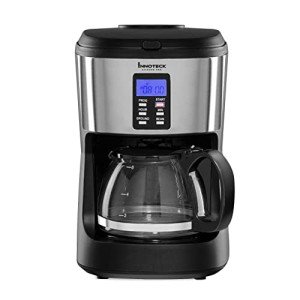
This problem can be solved quickly. Instead of placing the spout on the back of the carafe move it forward so that you can reach it with your hand. This can help solve your dribbling issues and save you from having to clean your counters every morning.
Another thing that could be responsible for the dribbling is the amount of coffee you put into the carafe. It is recommended that you put two tablespoons of espresso for each six ounces of water. However, the density of your grounds will vary, and you might have to adjust the ratio. A kitchen scale is an effective tool to monitor the proportions of water and coffee and avoid over or under-extraction.
2. Spout Leaks
If you've ever looked at budget drip coffee machines, you will know that they are available in many different shapes and sizes. Some come with thermal carafes, while others don't. Some drip the water with rings with a tight spout while others use wider ones.
The small valve at the end of the hose may alter the way the machines disperse water. The valve could become blocked by gunk, causing leaks from the spout. It's easy to repair. Unplug the pot and then drain the water into the sink. Unplug the valve and clean it.
3. Safety Valve Leaks
Whether you're snoozing in bed, or stepping into the kitchen gung ho to turn on that magic switch, you're expecting Bialetti to perform like a charm. If that happy gurgling or promising rumbling doesn't happen, it might be the right time to determine the cause of the issue.
In the bottom of the bucket is an opening and a white tube that leads into it. The tube is used to transport the water from the bucket up to the drip area of the coffee pot during the boiling process. This tube has a one-way flow valve that allows cold water to flow back to the bucket, but forces the bubbles from boiling water to rise up the coffee pot.
If you're seeing steam or pressure constantly being released from your coffee maker through the safety valve, there's a good chance that it's blocked and requires maintenance or even replacement. Put a bucket on top of the safety valve pipe, and push the lever up a few times. (Use gloves as the water is hot). This might cure the issue, but if it doesn't, it's a good idea to call in a professional. This is a time-consuming task and the valve needs to be removed and dismantled.
4. Filter Leaks
The reservoir and filter are the heart of every drip coffee maker. They are where water begins and ends its journey to make your morning cup of joe. It is crucial to adhere to the proper water usage guidelines, along with cleaning and maintenance practices throughout the brewing process. This will ensure that your coffee maker continues to work at its best.
When you turn on your coffee pot, the water in the reservoir is heated by the heating element that resists heat and the heat rises up through a white tube which runs upwards from beneath the reservoir base. drip coffeee is poured over the coffee grounds and begins to saturate them and release their flavors. As the hot water is poured over the ground and the coffee oils released during roasting are picked up. These oils give coffee its characteristic flavor and aroma.
Mold can grow on coffee grounds that are wet in the event that they are left out too for too. To avoid this, it is recommended to store the grounds that are wet in a manner that allows them to dry faster (e.g. hanging, away from the coffee maker or propped up to allow air flow and so on. ).
If the grounds of coffee aren't the proper size for your drip coffee maker, they could block the water or cause overflows. Therefore, it is recommended to use one filter made of paper or reusable that is the proper size for your drip coffee maker. It is also an excellent idea to play with the brew time to find out what setting will give you the best flavor.
To ensure maximum performance for optimal performance, regular cleaning and decaling is also necessary. Follow the manufacturer's instructions for the correct cleaning and descaling methods to eliminate mineral buildup from your machine. Use filtering or bottled drinking water instead of tap water to enhance the flavor of your coffee.